
10/29/26
Intentional Lighting Design
Same Room. Different Light. Entirely Different Feeling.
How lighting can make or break a room.
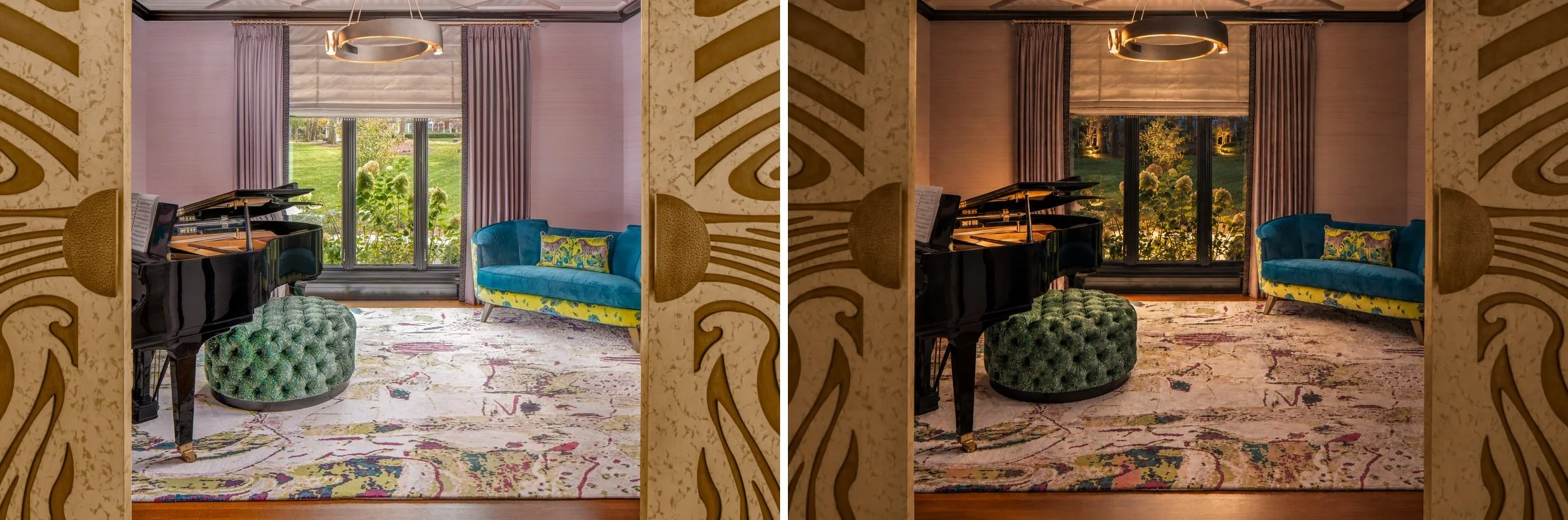
RCQ Design, LLC, Music Room Lighting Design, Franklin Lakes, New Jersey
A room can feel bright and energizing in the morning, intimate and inviting in the evening, and dramatic when illuminated for entertaining.
The architecture hasn't changed. The furniture hasn't moved. But the experience of the space can be entirely different.
That's the power of thoughtful lighting design.
Lighting does more than illuminate a room. It influences how we perceive color, texture, proportion, architectural details, and even the size of a space. More importantly, it shapes how we feel and how comfortably we move through our daily routines.
The goal isn't always to make a room warmer or brighter. It's to create the right atmosphere for the way a space is being used—and the way we want to feel in it.
Why Lighting Matters in Residential Interior Design
We often think of lighting as a finishing touch: a beautiful chandelier, a pair of sconces, or the perfect table lamp.
But thoughtful interior lighting design goes far beyond decorative fixtures. It influences how we perceive color, texture, proportion, architectural details, and even the size of a room.
A living room filled with natural daylight can feel open and energizing. That same room, softly illuminated in the evening, can become an intimate setting for conversation or relaxation.
Neither experience is necessarily better. The key is understanding what a space needs to feel like—and when.
For homeowners planning a renovation or custom home in New Jersey, considering lighting early in the interior design process creates opportunities that may be difficult to achieve once construction is complete.
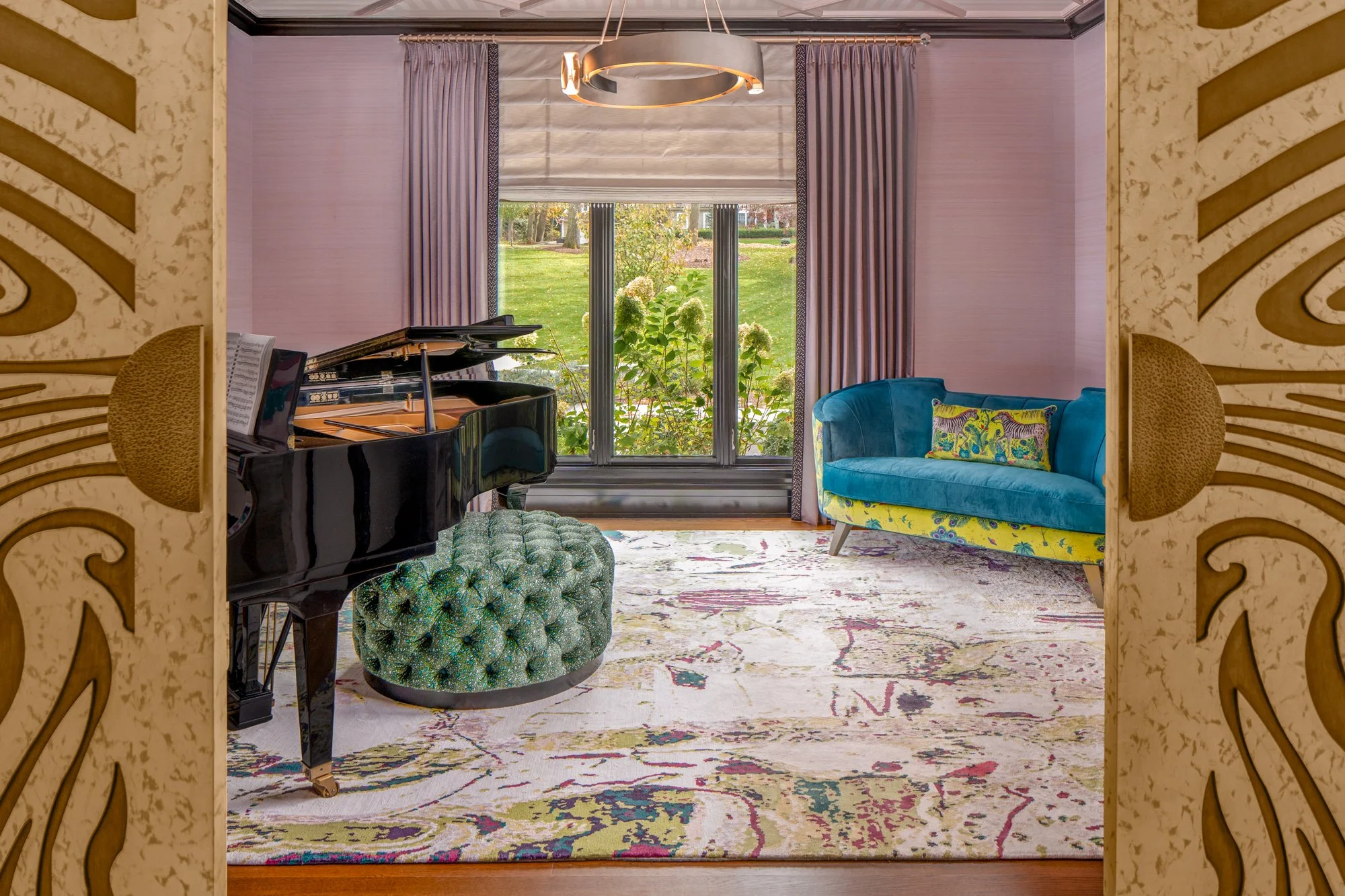
RCQ Design, LLC, Music Room Daytime Lighting Design, Franklin Lakes, New Jersey
The Beauty of Layered Lighting
One of the most important principles of successful residential lighting design is layering.
Ambient lighting provides overall illumination, creating a comfortable foundation for everyday activities.
Task lighting supports specific activities, whether that's preparing meals at a kitchen counter, reading beside a favorite chair, or working at a desk.
Accent lighting draws attention to artwork, architectural features, custom cabinetry, and materials that deserve a closer look.
When these layers work together, a room becomes more flexible. A kitchen can be bright and functional on a busy weekday morning, then transition into an inviting gathering space for an evening with friends.
Dimmer controls and thoughtfully planned lighting zones make it possible to adjust the atmosphere without changing the room itself.
The room hasn't changed. But the experience has.
Designing for Natural and Artificial Light
Light is never static.
It shifts throughout the day, changes with the seasons, and interacts differently with every surface it touches. A material that looks beautiful in morning sunlight may take on an entirely different character under artificial lighting at night.
That's why natural and artificial lighting should be considered together when designing a home.
Window placement, furniture arrangements, wall colors, cabinetry finishes, and architectural details all influence how light moves through a space.
Thoughtful lighting design also considers color temperature, glare, shadows, and how different light sources interact. These details can dramatically affect the comfort and atmosphere of a finished interior.
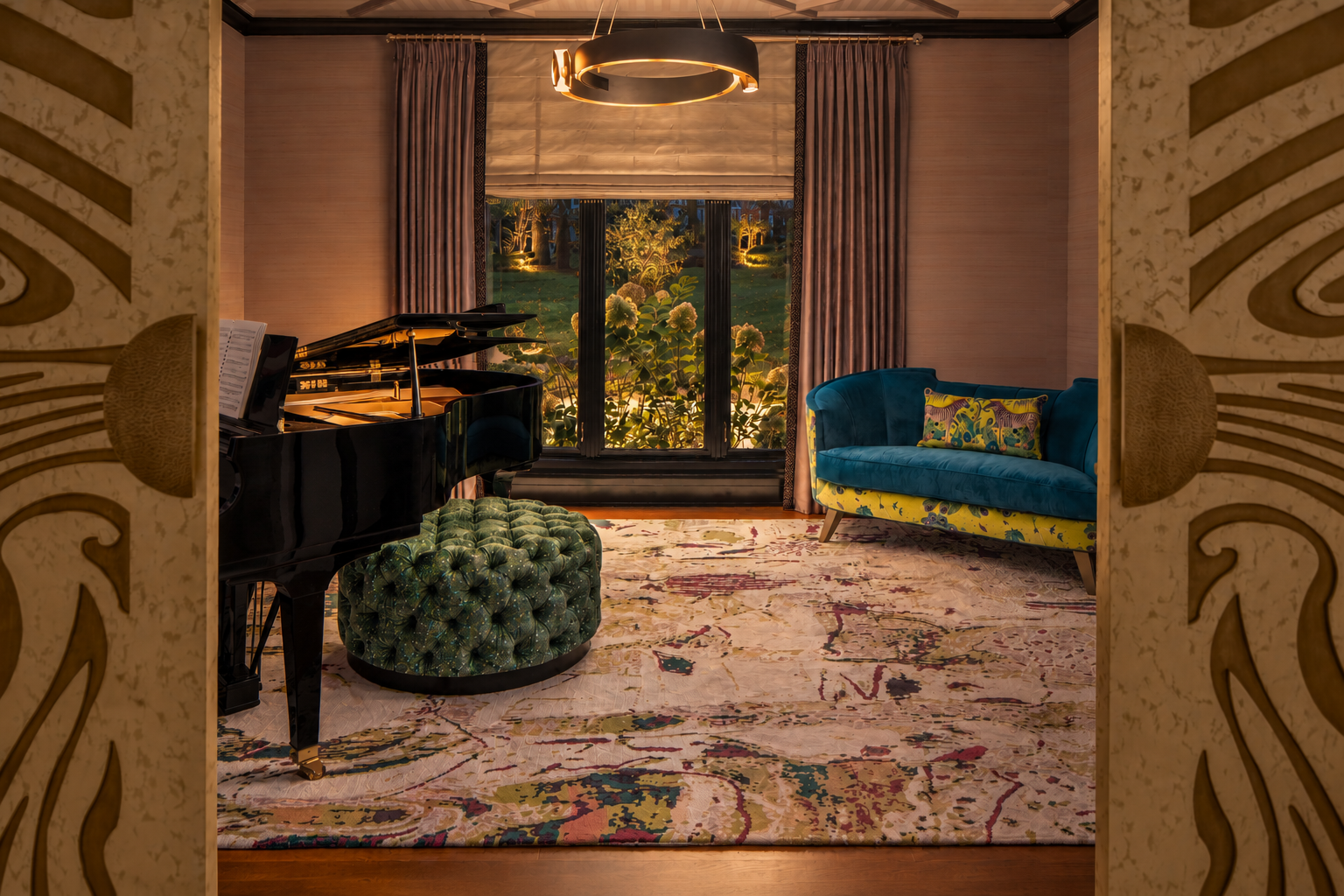
RCQ Design, LLC, Music Room Evening Lighting Design, Franklin Lakes, New Jersey
Why Lighting Should Be Planned Before Construction
For new construction and home renovations, some of the most important lighting decisions happen long before decorative fixtures are installed.
Recessed lighting locations, electrical outlets, switching, dimmer controls, ceiling details, and cabinetry illumination should all be coordinated with the architectural plans and furniture layouts.
When lighting is considered too late, homeowners may discover that fixtures don't align with furniture, task areas lack adequate illumination, or architectural features aren't highlighted as intended.
Working with an experienced New Jersey interior designer early in the renovation or custom-home process allows these details to be considered alongside space planning, materials, cabinetry, and construction requirements.
At RCQ Design, our collaborative approach brings together interior design, architectural considerations, and construction expertise to create homes where the details work together seamlessly.
Intentional Space Design: Creating the Right Light for Every Moment
Based in Mahwah, New Jersey, RCQ Design approaches residential interior design through a philosophy we call Intentional Space Design.
Rather than treating lighting as an isolated decorative decision, we consider how it contributes to the overall experience of a home.
How does a family use the kitchen in the morning? What atmosphere should a dining room create when entertaining? Where is focused task lighting essential? How should a living space transition from afternoon sunlight to evening relaxation?
The answers help guide decisions about fixture placement, lighting layers, architectural details, furnishings, and materials.
Because a beautifully designed home shouldn't only look its best in a photograph or at a particular time of day.
It should feel right in every light.
THE INTENTIONAL SPACE TAKEAWAY:
Great lighting isn't about making every room brighter. It's about creating the right light for the right moment—and allowing a space to feel as good as it looks.